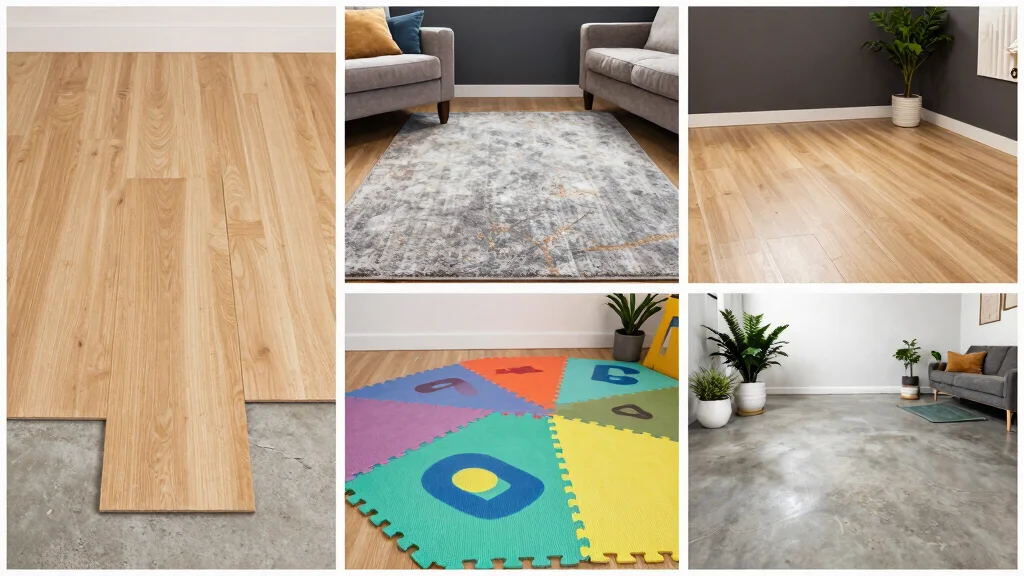
Looking to spruce up your basement without breaking the bank? You’re not alone! Many homeowners are searching for ways to create a cozy, functional space down below. Whether you want to turn your basement into a family room, office, or guest suite, the right flooring can make all the difference. But if your budget is tight, you might think it’s impossible to find affordable options that stand the test of time. That’s where this post comes in!
If you’re someone who values style but also needs economical solutions, this guide is for you. You want to make your basement comfortable and inviting without spending a fortune. In this post, I’ve gathered ten cheap basement flooring ideas that not only look good but also hold up well against wear and tear. From vinyl plank to rubber flooring, you’ll discover a range of options that fit your budget and style.
By the end of this article, you’ll have a solid understanding of various budget-friendly flooring options you can consider. Plus, you’ll get practical insights on DIY projects, maintenance tips, and how to choose materials that can withstand the unique challenges of a basement environment. Get ready to transform your space into something spectacular, all without emptying your wallet!
Key Takeaways
– Explore ten affordable basement flooring options that combine style and durability.
– Learn about the benefits of DIY basement flooring solutions to save on labor costs.
– Discover materials and styles that are specifically designed for basements to ensure longevity.
– Get practical tips on maintenance to keep your basement flooring looking great for years.
– Find out which options are easy to install for those who want a hands-on project.
1. Vinyl Plank Flooring
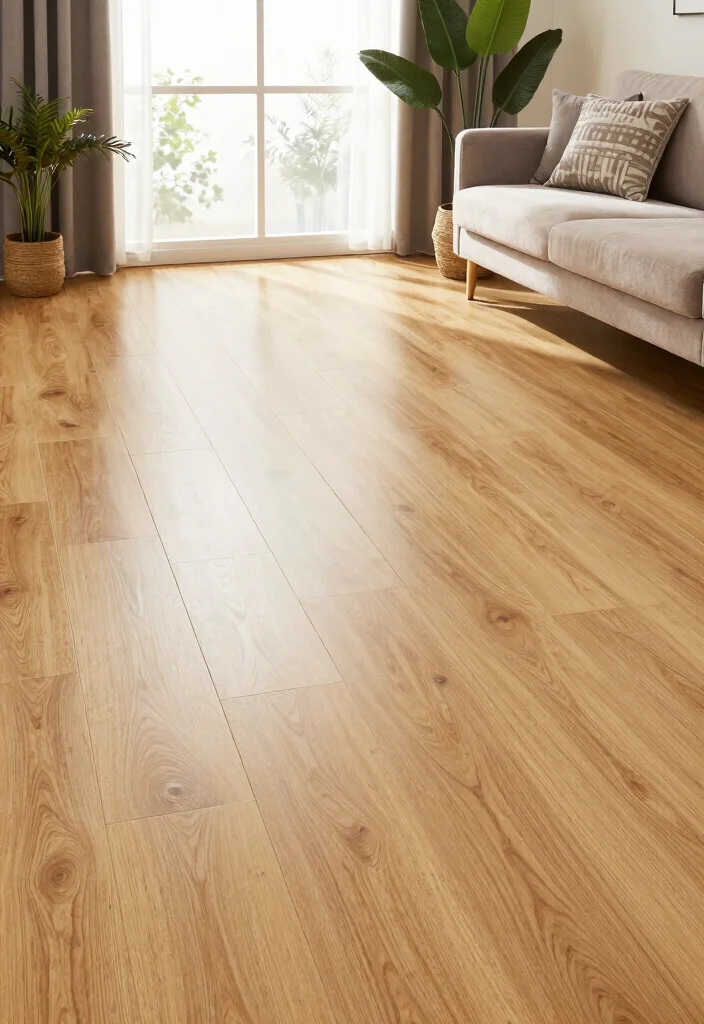
Embracing vinyl plank flooring in your basement is a smart choice that balances style with practicality. This flooring option beautifully replicates the look of hardwood without the high costs, making it both chic and budget-friendly. With a range of finishes and colors available, vinyl planks are also moisture-resistant, perfect for the unique basement environment.
To make the most of this flooring, consider these helpful tips: Look for planks with a thicker wear layer for extra durability. Additionally, selecting products with a warranty can provide peace of mind regarding long-term performance.
Here are some key actions to take:
– Pair light oak vinyl planks with darker cabinets for contrast.
– Install water-resistant vinyl in areas prone to moisture.
– Use multi-colored planks for a playful, modern look.
– Incorporate area rugs to add warmth and texture.
Choosing vinyl planks enhances your basement’s aesthetic while providing a warm, inviting feel. The right textures and colors can truly elevate the overall design, making your space feel cohesive and stylish.
2. Laminate Flooring
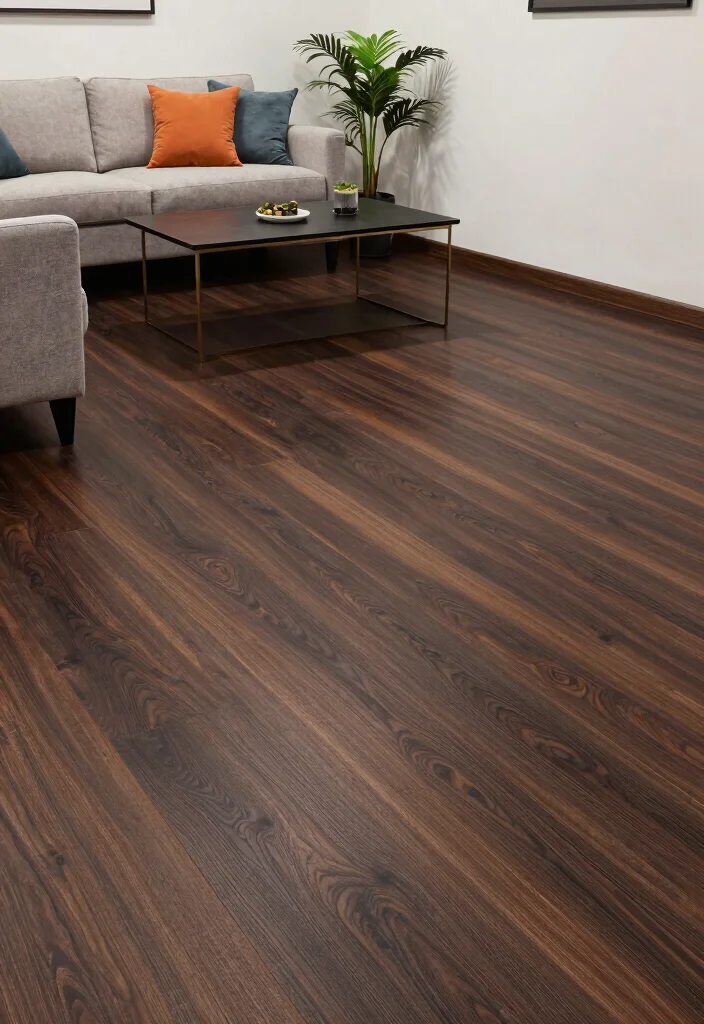
If you’re aiming for a stunning look on a budget, laminate flooring is a fantastic solution. This versatile option mimics the appearance of hardwood or stone and boasts impressive durability, making it an excellent fit for busy basements. With a variety of styles available, you can easily find a laminate that matches your home’s decor.
For successful installation, ensure your subfloor is clean and level to prevent issues later. Water-resistant laminate is also a wise choice if your basement tends to be damp.
Consider these tips:
– Use rustic wood laminate for a cozy cabin feel.
– Install laminate planks with a click-lock system for easy DIY.
– Incorporate baseboards after installation for a polished finish.
– Choose scratch-resistant laminate for added durability.
This flooring option not only enhances the aesthetic of your basement but also provides comfort and resilience. With the right care, laminate can maintain its beauty for years, making it a smart investment.
Laminate flooring proves that basement flooring ideas cheap can still deliver a luxe look. It’s easy to install and tough enough for busy homes. Just level your subfloor and pick water-resistant laminate—your cozy, stylish basement is within reach.
Key Trade-offs & Our Top Pick
When you’re choosing basement flooring, it’s essential to know the pros and cons of each option. This way, you can find the best fit for your needs and budget. Let’s break down three popular choices: vinyl plank flooring, carpet tiles, and painted concrete.
Vinyl Plank Flooring
– Pros:
– Water-resistant, making it ideal for basements prone to moisture.
– Easy to install and maintain, perfect for DIY projects.
– Comes in various styles, mimicking wood or stone, adding a stylish touch.
– Cons:
– Can be less durable than other options if not installed properly.
– Some lower-quality versions may fade over time.
– Not as environmentally friendly as natural materials.
– Best for: Homeowners looking for a quick, stylish, and practical flooring solution that can withstand moisture.
Carpet Tiles
– Pros:
– Comfortable underfoot, which is great for a cozy atmosphere.
– Easy to replace individual tiles if damaged or stained.
– Available in numerous colors and patterns, offering great customization.
– Cons:
– Can absorb moisture, leading to potential mold if not maintained.
– Requires regular cleaning to avoid accumulating dust and allergens.
– Installation may take longer than other options, especially for beginners.
– Best for: Families or individuals who want a warm, inviting space where comfort is a priority.
Painted Concrete
– Pros:
– Inexpensive and straightforward to apply, making it a great DIY option.
– Highly durable and easy to clean, perfect for high-traffic areas.
– Various colors can be used to create a unique look.
– Cons:
– Can feel cold and hard, which might not be comfortable for long periods.
– Requires preparation and sealing to prevent peeling or staining.
– Limited insulation, which can lead to a chilly basement during winter.
– Best for: Those seeking an ultra-budget-friendly solution and a low-maintenance floor.
Expert Recommendation:
Best Overall: Vinyl Plank Flooring
Vinyl plank flooring is our top pick for most homeowners. It combines great value for money with easy installation and a variety of stylish options. You can customize your basement without worrying about moisture damage. This flooring also stands the test of time, making it a smart choice for long-term use.
Why We Picked This:
While vinyl plank flooring stands out, other options have their merits. If you want a cozy feel, carpet tiles might be perfect. On the other hand, painted concrete is ideal for those who want to save money and don’t mind a more industrial look. Consider what fits your style and needs best before making a decision!
3. Carpet Tiles
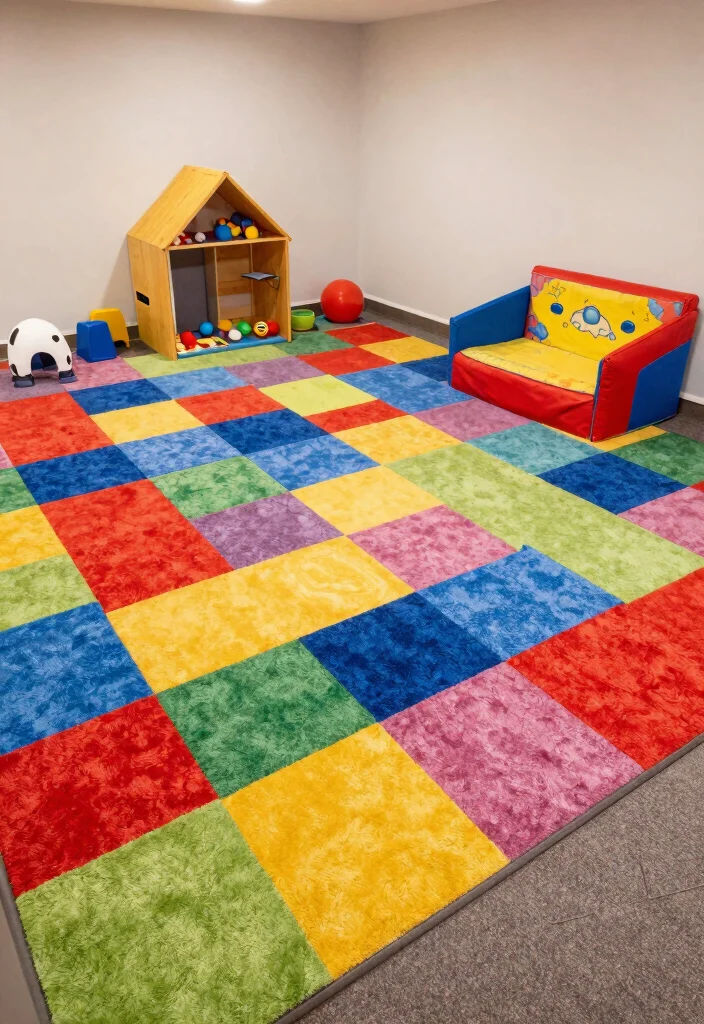
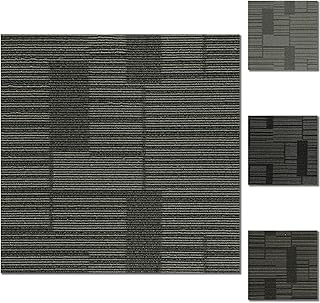
Carpet tiles offer a fun and practical flooring option that can transform your basement into a cozy retreat. Available in numerous colors and patterns, these tiles allow you to create a personalized design that reflects your taste. They are soft underfoot and provide warmth, making them ideal for family rooms or play areas.
To enhance your carpet tile experience, consider mixing and matching colors for a unique look. Keeping spare tiles on hand ensures you can easily replace any that become stained or damaged over time.
Here are some actionable tips:
– Install adhesive-backed tiles for easy setup.
– Use bright colors to liven up dark spaces.
– Create custom patterns for added flair.
– Incorporate area rugs for additional comfort.
By choosing carpet tiles, you can achieve a stylish yet functional flooring solution. Their texture and warmth can create a welcoming atmosphere in your basement, perfect for relaxation or entertainment.
Carpet Tiles
Editor’s Choice



4. Painted Concrete
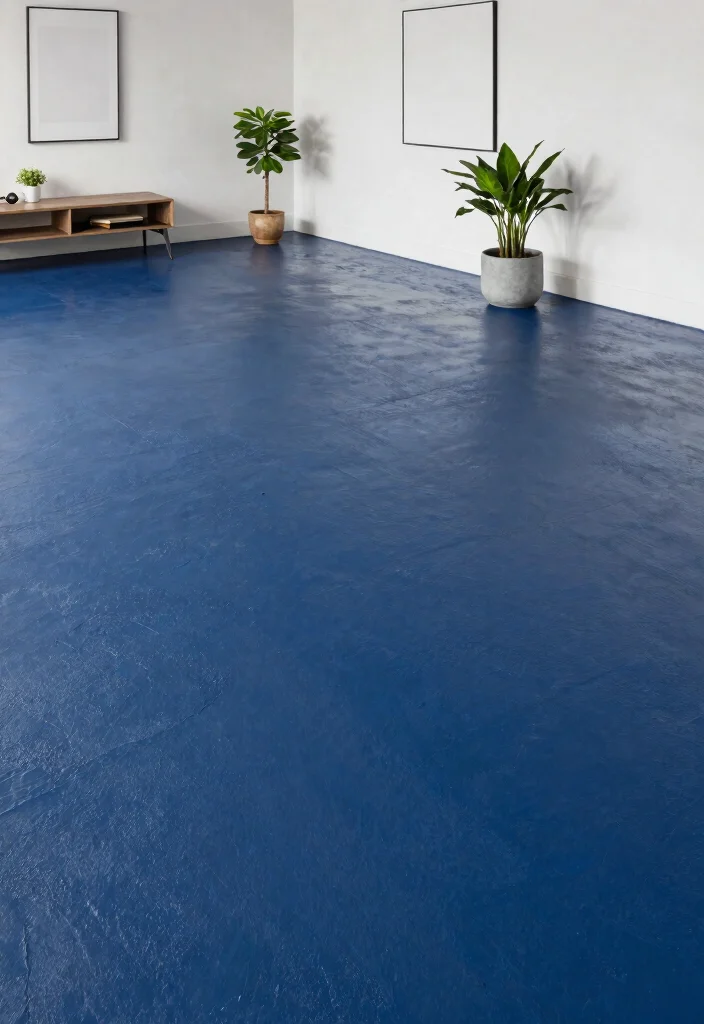
For a budget-friendly yet impactful solution, consider painted concrete floors. A fresh coat of paint can turn your uninspiring concrete into a modern and sleek surface that’s easy to maintain. This DIY project not only allows for creativity but also delivers a clean and polished look.
To achieve the best results, start with a high-quality concrete primer for better paint adhesion. Sealing your painted floor with a clear coat will enhance its durability and make cleaning effortless.
Here’s how to maximize this option:
– Choose bright colors to make the space feel larger.
– Use stencils for creative designs or patterns.
– Incorporate epoxy sealants for extra protection.
– Add area rugs for warmth and style.
This approach not only elevates your basement’s aesthetic but also introduces a unique personal touch. The combination of paint and sealants enhances the overall durability of your flooring, ensuring it remains attractive for years.
Painted Concrete
Editor’s Choice


5. Cork Flooring
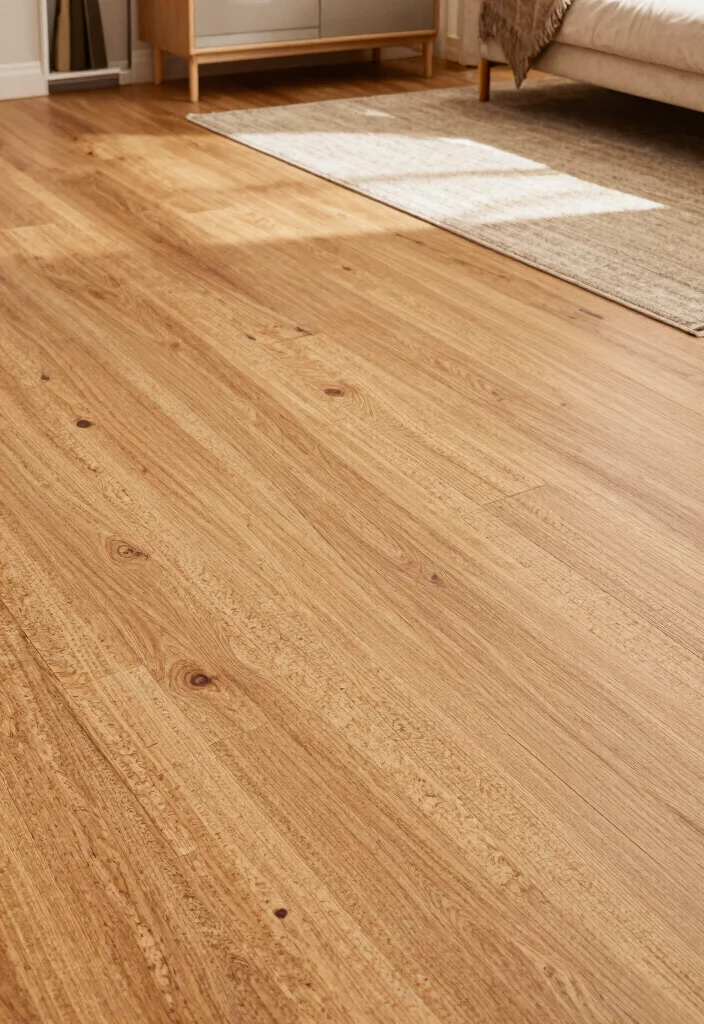
Cork flooring is a sustainable and stylish choice for your basement. Made from the bark of cork oak trees, it’s eco-friendly and offers unique benefits. Cork is soft and warm underfoot, making it a comfortable option for spaces where you might spend a lot of time.
To get the best out of cork, opt for tiles with a protective finish to resist moisture and stains. Pairing cork with area rugs not only enhances comfort but also adds a splash of color and style.
Here are some practical tips:
– Install cork tiles for easy maintenance and replacement.
– Choose natural tones to complement your decor.
– Add insulation barriers for added warmth.
– Use rugs to define spaces and add texture.
By selecting cork flooring, you’ll achieve a warm, inviting aesthetic while promoting an eco-friendly lifestyle. The natural texture of cork can significantly enhance the emotional comfort of your basement space.
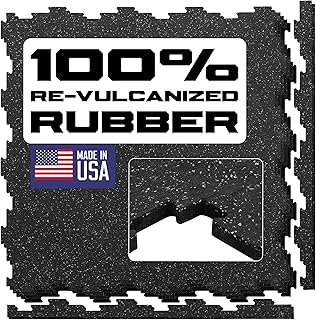
6. Rubber Flooring
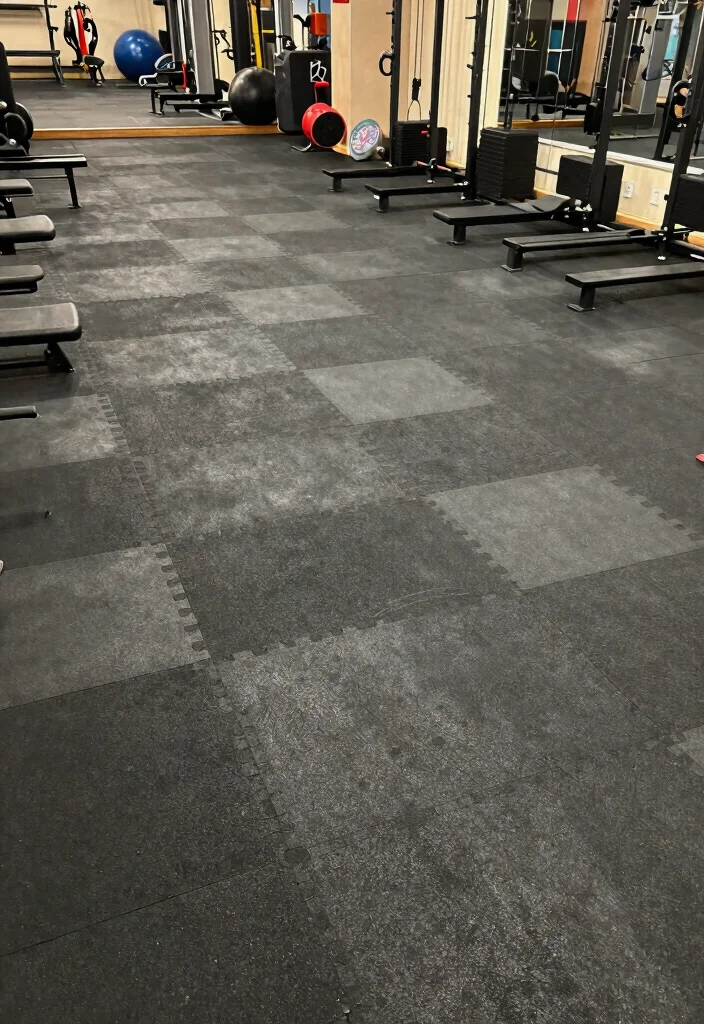
Consider rubber flooring for a durable and comfortable solution in your basement. It’s an excellent option for spaces used as play areas or home gyms, providing a soft surface that absorbs impact. With its moisture-resistant qualities, rubber flooring is perfect for the unique conditions of basements.
For a seamless installation experience, look for interlocking rubber tiles that are easy to lay down. Choose colors that complement your existing decor for a more cohesive look.
Here are some tips to keep in mind:
– Install interlocking tiles for quick and easy setup.
– Use bright colors to create a vibrant atmosphere.
– Incorporate padding underneath for extra comfort.
– Ensure non-slip finishes for safety.
Rubber flooring not only enhances safety but also adds a modern touch to your basement. Its unique texture and comfort can transform your space into a functional and inviting area.
Rubber Flooring
Editor’s Choice



7. Bamboo Flooring
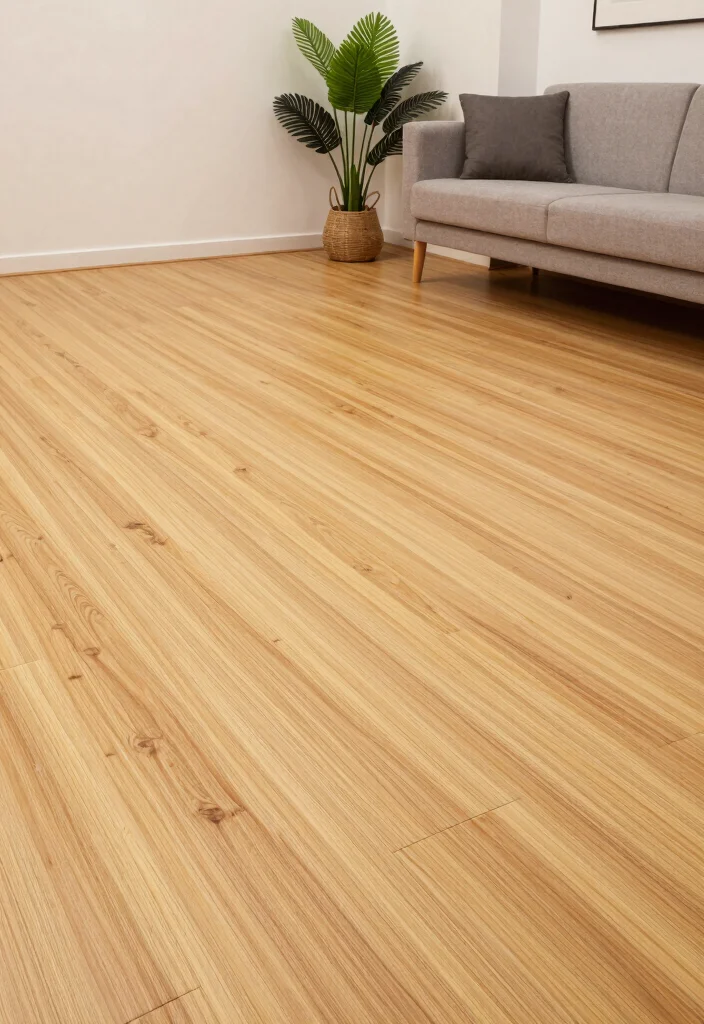
Bamboo flooring is an eco-friendly alternative that offers a distinct look for your basement. It’s a rapidly renewable resource that’s not only beautiful but also incredibly strong, making it an excellent choice for high-traffic areas. With various styles available, bamboo can suit both modern and traditional aesthetics.
For maximum durability, opt for strand-woven bamboo, which withstands wear and tear better. Acclimating bamboo to your basement’s conditions before installation is also crucial for preventing warping.
Consider these installation tips:
– Prepare your subfloor by ensuring it’s clean and dry.
– Use a moisture barrier for added protection.
– Install bamboo planks according to manufacturer guidelines.
– Finish with baseboards for a refined look.
Selecting bamboo flooring enhances your basement’s beauty while promoting sustainability. Its unique grain patterns and textures add warmth and sophistication to the overall design.
Fun fact: bamboo flooring is a basement flooring ideas cheap option that still looks premium. It reaches full maturity in 3-5 years, far quicker than traditional hardwoods, and strand-woven bamboo is strong enough for high-traffic basements.
Bamboo Flooring
Editor’s Choice




8. Engineered Wood Flooring
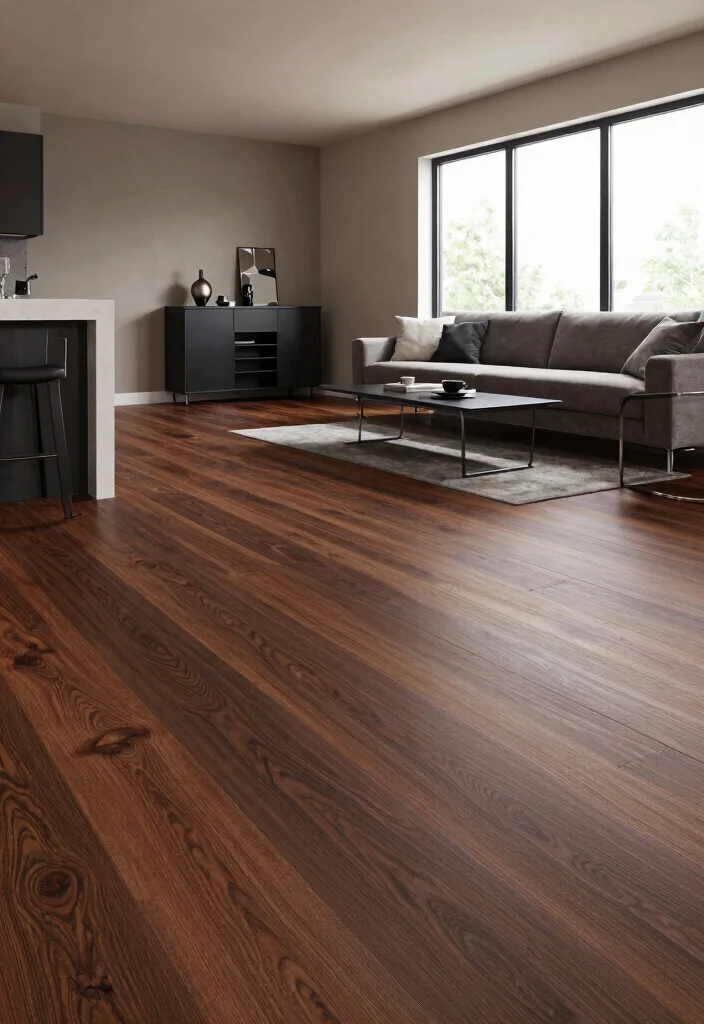
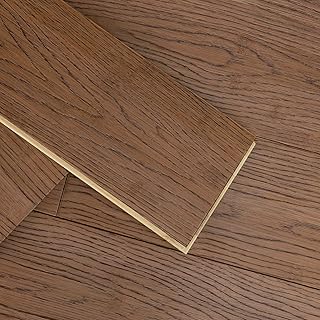
Engineered wood flooring combines the timeless appeal of hardwood with practical features suitable for basement environments. Comprising a veneer of real wood over a stable core, it is designed to resist warping from moisture, making it a smart choice for these spaces.
For a hassle-free installation, many engineered wood products offer a floating installation method, allowing for quick setup. Selecting pre-finished options can save time and enhance the overall appearance.
Here are some practical steps:
– Ensure the subfloor is clean and dry before starting.
– Lay a vapor barrier for moisture protection.
– Follow the manufacturer’s instructions for laying engineered planks.
– Complete the look with transitions and baseboards.
Choosing engineered wood not only adds elegance to your basement but also ensures durability. Its rich textures and finishes can create a warm, inviting atmosphere that enhances your overall living space.
9. Slate Tile Flooring
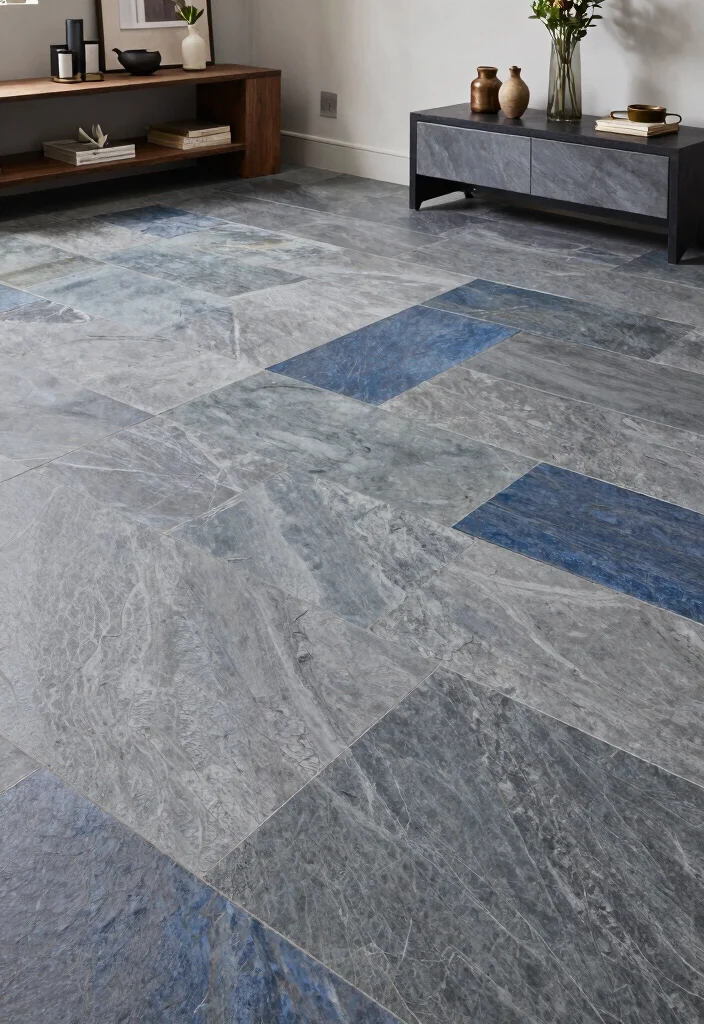
Slate tile flooring is a luxurious yet affordable option that can elevate the ambiance of your basement. Each tile boasts a natural beauty, offering a unique aesthetic that complements a variety of design styles. Slate is extremely durable, capable of withstanding heavy foot traffic while providing heat retention for added comfort.
To ensure a professional finish, use high-quality grout when installing slate tiles. Regular sealing will maintain their appearance and protect against stains.
Here are some installation tips to keep in mind:
– Prepare your surface by cleaning and leveling it.
– Lay tiles from the center outward for balance.
– Use spacers for consistent grout lines.
– Apply grout carefully after placing all tiles.
Opting for slate flooring not only enhances the style of your basement but also introduces a tactile element that makes the space feel more inviting. Its unique textures and colors can significantly enrich your overall design.
Fun fact: slate tile flooring can last 50+ years with proper sealing and maintenance, making it a surprising value in cheap basement flooring ideas. Use high-quality grout and regular sealing to protect the natural beauty. It’s durable, heat-retaining, and surprisingly approachable.
Slate Tile Flooring
Editor’s Choice



10. Luxury Vinyl Tile (LVT)
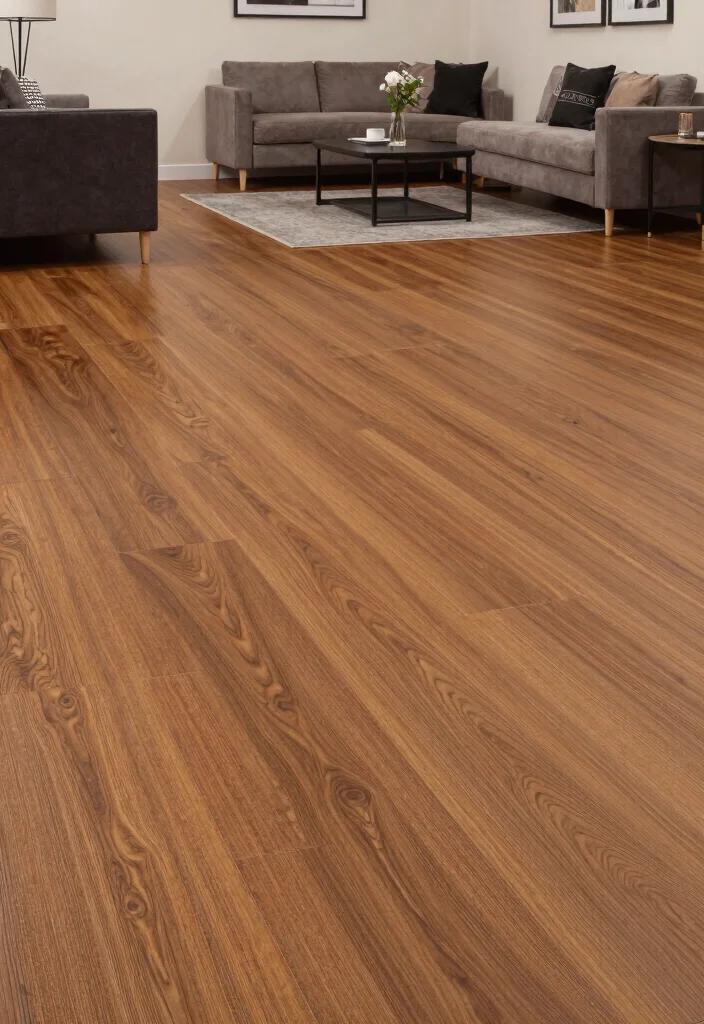
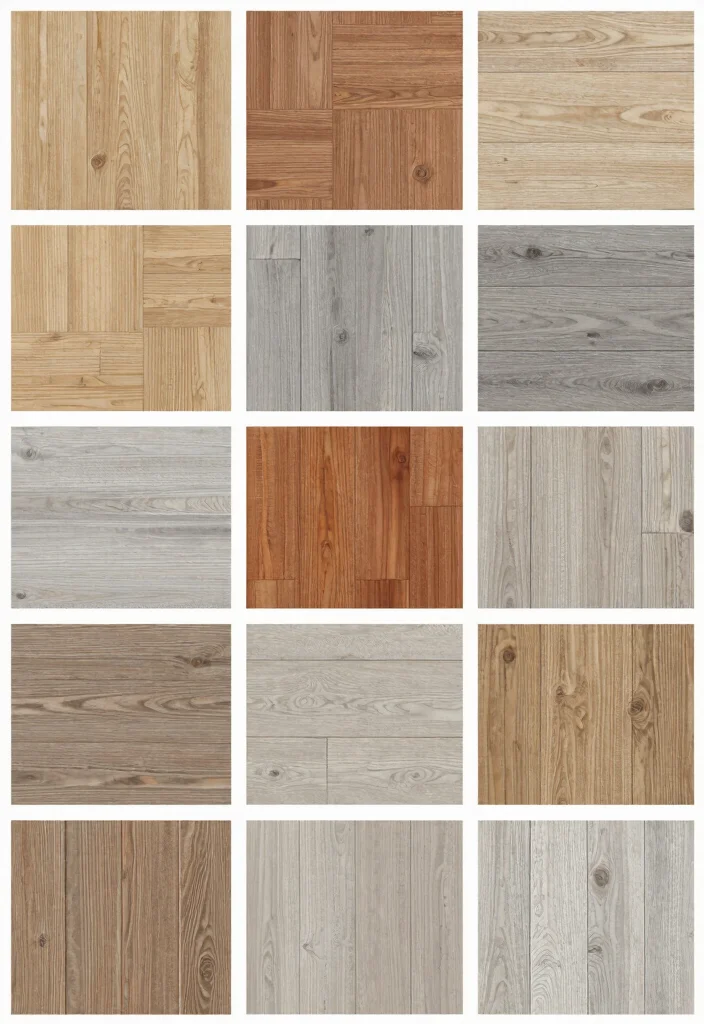
Luxury Vinyl Tile (LVT) offers a stylish yet practical flooring solution for your basement. It mimics the sophisticated appearance of materials like wood and stone but comes at a fraction of the cost and boasts impressive durability. With options designed specifically for moisture-prone areas, LVT is perfect for basements.
To ensure a flawless installation, make sure the subfloor is level. If you’re using glue-down vinyl, opt for high-quality adhesive for the best results.
Here are some steps to follow:
– Clean the floor thoroughly before laying LVT.
– Lay a moisture barrier if necessary.
– Arrange tiles according to your design, ensuring tight seams.
– Finish with baseboards for a complete look.
By choosing LVT, you can achieve a high-end look while ensuring long-lasting performance. Its versatility in textures and patterns can truly transform your basement space into a stylish and functional area.
Conclusion
Revamping your basement with affordable flooring doesn’t mean you have to sacrifice style or durability. Each of these ten cheap basement flooring ideas not only holds up well under varying conditions but also allows you to express your personal taste without overspending. Whether you opt for vinyl, carpet tiles, or even a chic painted concrete finish, you can create an inviting space that suits your lifestyle. Don’t let budget constraints keep you from a beautiful basement—get inspired and start your renovation journey today!
Note: We aim to provide accurate product links, but some may occasionally expire or become unavailable. If this happens, please search directly on Amazon for the product or a suitable alternative.
This post contains Amazon affiliate links, meaning we may earn a small commission if you purchase through our links, at no extra cost to you.
Frequently Asked Questions
What are basement flooring ideas cheap that still hold up in a basement?
Basement flooring ideas cheap that still hold up start with moisture awareness. Do a quick moisture check before picking materials.
Then consider these budget-friendly, durable options you can DIY:
– Luxury Vinyl Plank (LVP) or vinyl plank/tile with a floating or click-lock system; moisture resistant and easy to install, giving you a stylish look without breaking the bank.
– Interlocking vinyl tiles for a fast, affordable DIY basement flooring solution that handles water and is simple to replace.
– Ceramic or porcelain tile on a proper moisture barrier and grout sealer; extremely durable and versatile for patterns, but may require more DIY skill (or a pro for layout).
– Epoxy coatings on sealed concrete; seamless, durable, and beginner-friendly if you follow a kit carefully.
– Painted or stained concrete with a penetrating sealer; ultra affordable and highly customizable for a stylish basement flooring idea on a budget.
Tip: always choose products rated for basement moisture and use the right underlayment or moisture barrier when needed.
What affordable basement flooring options balance price and durability?
Balancing price and durability means choosing materials that withstand moisture and traffic while staying inexpensive. Here are solid options to consider:
– Luxury Vinyl Plank (LVP) or vinyl sheet: highly durable, water resistant, and easy to install; great for DIY projects.
– Interlocking vinyl tiles: budget-friendly, quick install, and replaceable if damaged.
– Ceramic or porcelain tile on a moisture barrier: very durable and stylish; costs vary, but you can find affordable sizes and patterns if you shop smart. Make sure to seal grout to prevent moisture.
– Budget-friendly epoxy or concrete coatings: DIY kits can be economical and create a long-lasting, seamless surface. Ideal for basements with a lot of traffic.
– Moisture-resistant carpet tiles as a softer option in living zones; ensure tiles and backing are designed for basement moisture.
What are DIY basement flooring solutions that are budget-friendly and moisture resistant?
For DIY basement flooring solutions that are budget-friendly and moisture resistant, start with choosing a floating or click-lock option like LVP or interlocking vinyl tiles. Then follow these steps:
1) confirm moisture, 2) prep the concrete (clean, grind high spots, fix cracks), 3) install underlayment or moisture barrier if required, 4) lay the flooring, 5) finish edges and install baseboards. Additional options include epoxy coatings for a seamless finish or painted concrete with a sealer for a decorative look. Pro tips: keep humidity low, use a vapor barrier, and seal joints to prevent moisture migration. These budget-friendly basement flooring solutions can be tackled in a weekend with patience.
Are there stylish basement flooring ideas that don’t break the bank?
Definitely. Style can shine with stylish basement flooring ideas that stay budget-friendly. Try wood-look LVP for warmth without the upkeep, patterned vinyl tiles for visual interest, or affordable ceramic tiles with bold grout. Use color to zone spaces, mix materials (LVP plus a cozy carpet tile area), and add area rugs for texture and comfort. Dark or light shades can dramatically transform the room without a big budget. These approaches are classic budget-friendly flooring options that still look high-end.
How can I install budget-friendly basement flooring solutions myself?
Here’s a practical DIY plan to tackle budget-friendly basement flooring solutions:
1) Test moisture with a simple plastic sheet test for 24–48 hours; if damp, address moisture before finishing. 2) Measure the area accurately and cut materials to fit columns and walls. 3) Gather tools: utility knife, straight edge, spacers, measuring tape, rubber mallet, notched trowel (for tile), drill/driver, and a saw for trimming. 4) Prep the subfloor: clean, level, and install a moisture barrier or underlayment as required. 5) Install flooring: for LVP or vinyl tiles, follow product instructions, ensuring tight seams and proper spacing. 6) Finish edges with trim or baseboard, seal gaps, and allow cure time for epoxy if used. Pro tip: if moisture is high, choose floating options and consider professional help for moisture mitigation or if you’re unsure.