Renovating a low ceiling basement can feel a bit daunting, but it doesn’t have to be! This space often gets overlooked, relegated to storage or utility use. I’m here to change that. I created this guide to help you transform your basement into a cozy and functional part of your home that you’ll enjoy using.
If you’re a homeowner who loves to make the most of all your living space, this blog post is for you. Whether it’s turning your basement into a playful lounge, a home gym, or a chic office, you’ll find valuable insights that cater to your unique style and needs. Forget those cramped, dark images of basements you’ve seen before. With the right approach, even a low ceiling can feel open and inviting.
In the coming sections, I’ve gathered 16 low ceiling basement renovation ideas that actually work! You’ll discover practical tips on lighting, furniture choices, and color schemes that enhance your space. These ideas are not just clever; they are also easy to implement, ensuring that your basement becomes a functional and stylish area of your home. Get ready to unleash your creativity!
Key Takeaways
– Maximize Vertical Space: Use shelves and tall furniture to draw the eyes upward, creating an illusion of height.
– Prioritize Lighting: Brighten your basement with strategic lighting, incorporating different sources to enhance the mood and functionality.
– Create Cozy Nooks: Design small, distinct areas for different activities, making the space feel more dynamic and less cramped.
– Choose the Right Materials: Opt for lighter colors and reflective surfaces in decor to help your basement feel more open and airy.
– Incorporate Multifunctional Furniture: Invest in pieces that serve multiple purposes, helping you save space while adding style.
1. Create an Inviting Lounge Area
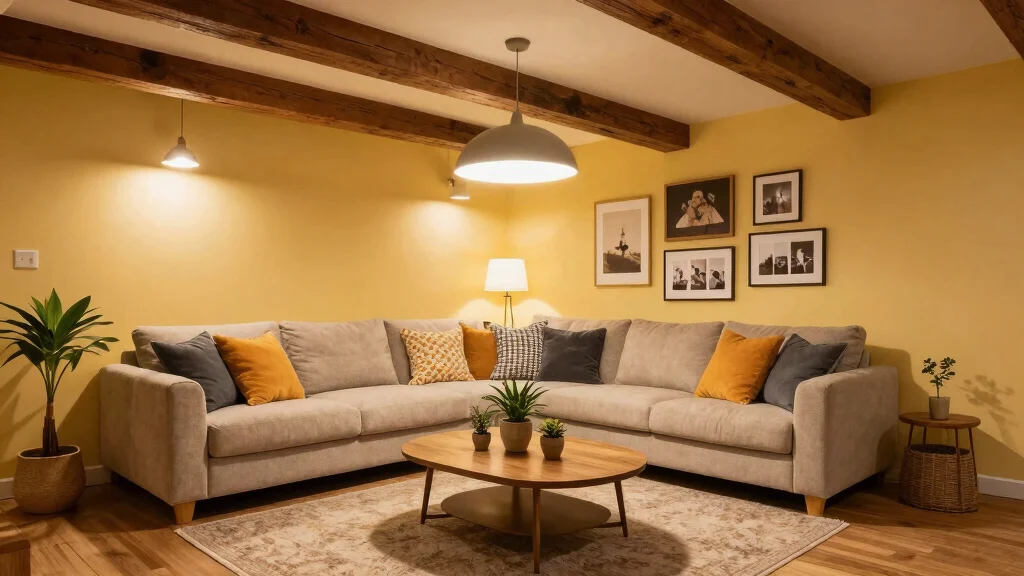
A cozy lounge area in a low ceiling basement can blend comfort with style, making it an inviting retreat for relaxation. Combining soft furnishings like oversized sofas and plush armchairs creates a warm atmosphere that beckons you to unwind. Consider a rounded coffee table to enhance the welcoming vibe and soften the space’s edges.
To make the most of your lounge, opt for furniture that sits lower to the ground, maintaining the perception of height while keeping a snug feel. Floor cushions also offer additional seating without crowding the area, perfect for movie nights or casual gatherings with friends.
Consider these ideas for your lounge:
– Pair oversized sofas with low coffee tables for comfort.
– Install wall-mounted shelves to save space.
– Use layered rugs to add visual interest and warmth.
This setup not only creates a stylish hangout but also enriches the overall aesthetic with comfortable textures that invite you to relax.
Create an Inviting Lounge Area
Editor’s Choice




2. Brighten Up with Strategic Lighting
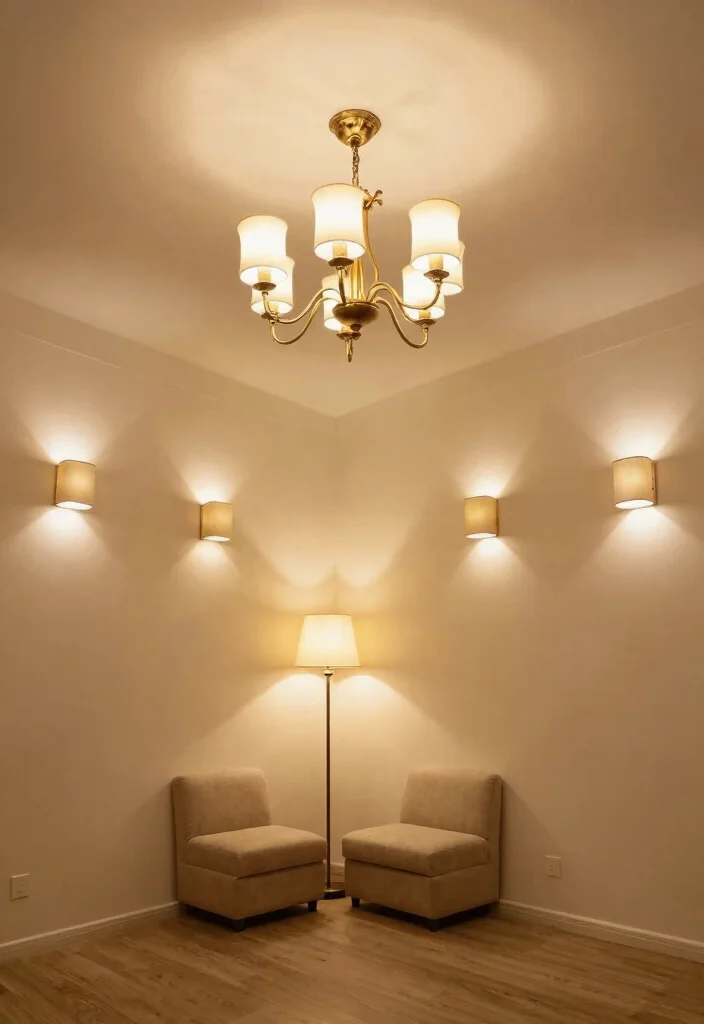
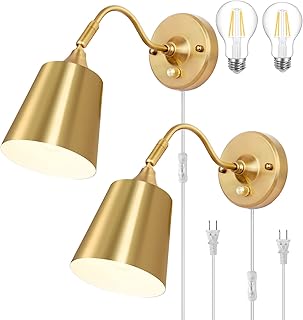
Lighting is crucial in transforming a low ceiling basement into a vibrant space. Instead of relying on a single overhead fixture, layering your lighting with wall sconces, floor lamps, and table lamps creates depth and warmth. This approach helps eliminate harsh shadows, enhancing the inviting atmosphere of your basement.
Incorporate dimmable lights for flexible ambiance and consider LED strip lights under shelves or furniture for a contemporary touch. Keeping window areas unobstructed allows natural light to flow in, making the space feel airy and open.
Explore these lighting tips:
– Choose upward-facing fixtures to visually lift the ceiling.
– Incorporate dimmable bulbs for mood flexibility.
– Use LED strips for modern aesthetics and added brightness.
With thoughtful lighting choices, your basement can become a bright and welcoming haven, full of life and energy.
Brighten Up with Strategic Lighting
Editor’s Choice



3. Utilize Vertical Space
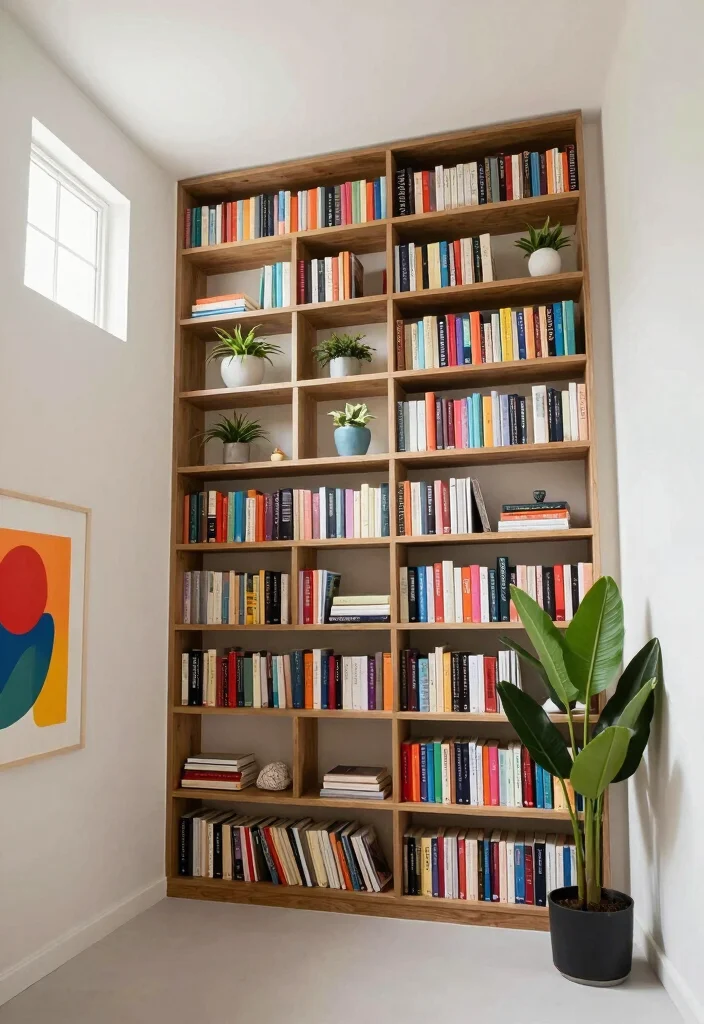
Maximizing vertical space in a low ceiling basement is essential for creating an illusion of height. Tall shelving units that extend to the ceiling draw the eye upward while providing ample storage for books, decorative items, and plants. This not only adds character but also makes the room feel more dynamic and alive.
Consider wall-mounted shelves to keep the floor area open and use tall plants or artwork to guide the gaze upward naturally. Combining functional storage with decorative elements prevents clutter and enhances the overall style of the space.
Implement these vertical solutions:
– Install tall bookcases for storage and visual interest.
– Use wall-mounted shelves to save floor space.
– Incorporate tall plants to add life and height.
By creatively using vertical elements, your basement can be both stylish and organized, making it a pleasant space to enjoy.
4. Cozy Up with Warm Textiles
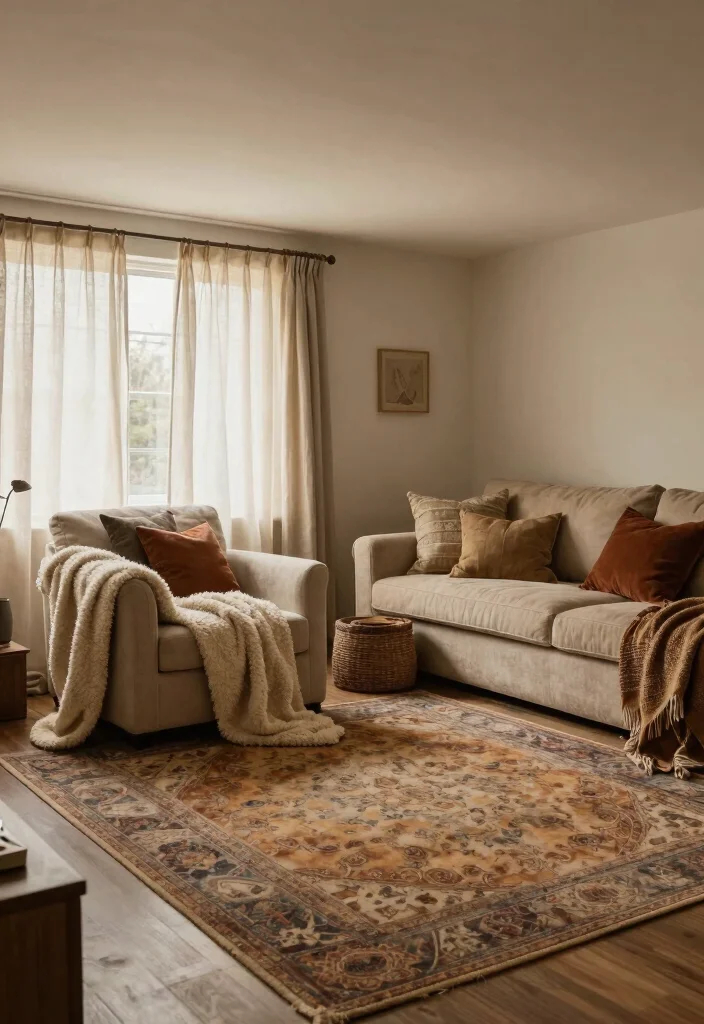
Using textiles effectively can bring warmth and texture to a low ceiling basement, creating an inviting atmosphere. Incorporate a variety of fabrics in furnishings, decor, and window treatments to achieve a layered look that feels cozy and welcoming.
Opt for plush throws on sofas and layer different rugs for added comfort and depth. Curtains made from lighter fabrics can soften the space while giving the illusion of height, enhancing the overall aesthetic.
Consider these textile tips:
– Use soft throws on seating for warmth.
– Layer rugs to enhance depth and comfort.
– Choose light fabric curtains to soften the space.
Thoughtfully selected textiles contribute to a luxurious hideaway, making your basement a comforting retreat.
5. Create Nooks for Different Activities
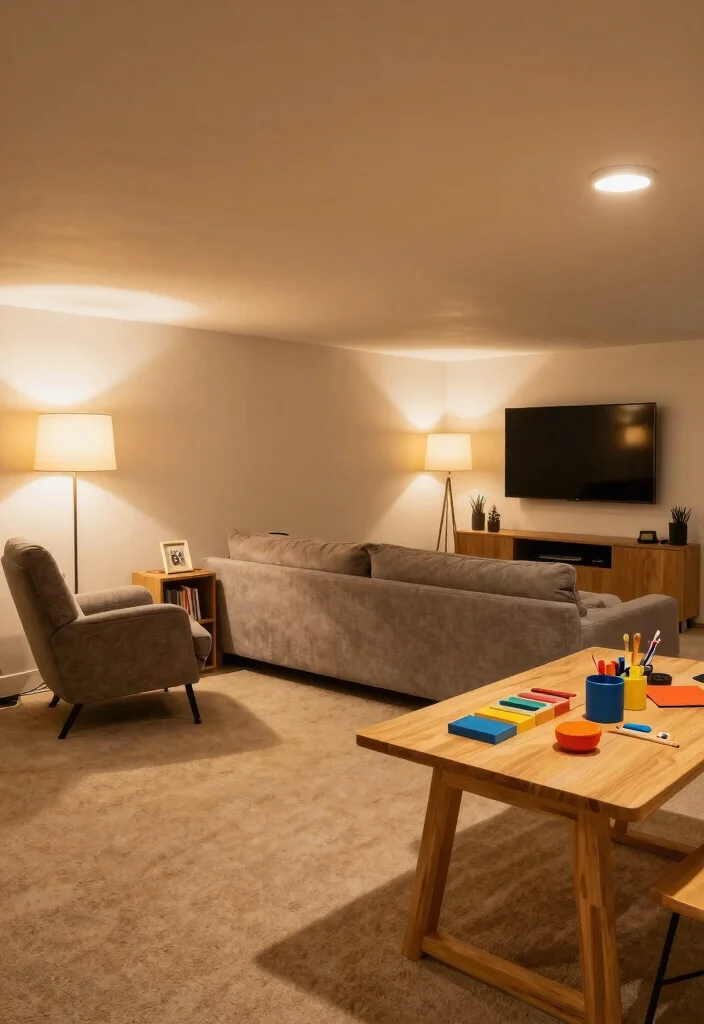
Designing nooks for specific activities in a low ceiling basement can significantly enhance its functionality. By creating designated areas for relaxation, work, or play, you utilize every inch effectively, fostering intimate atmospheres that cater to various needs.
Incorporate furniture tailored to each nook’s function, ensuring that every square foot is practical and enjoyable. This thoughtful segmentation can lead to a more organized and inviting space, perfect for all your activities.
Explore these nook ideas:
– Create a reading nook with a comfy chair and good lighting.
– Set up an entertainment area with a cozy TV setup.
– Design a craft corner with accessible storage and a sturdy workspace.
This approach not only optimizes your basement but also enriches its overall aesthetic, making it a versatile space for everyone.
These low ceiling basement ideas renovation show that tiny heights can spark big creativity—carve out dedicated nooks for work, relaxation, and play. With compact furniture and smart layouts, every inch becomes a purpose-filled zone you’ll actually use.
6. Embrace Minimalism
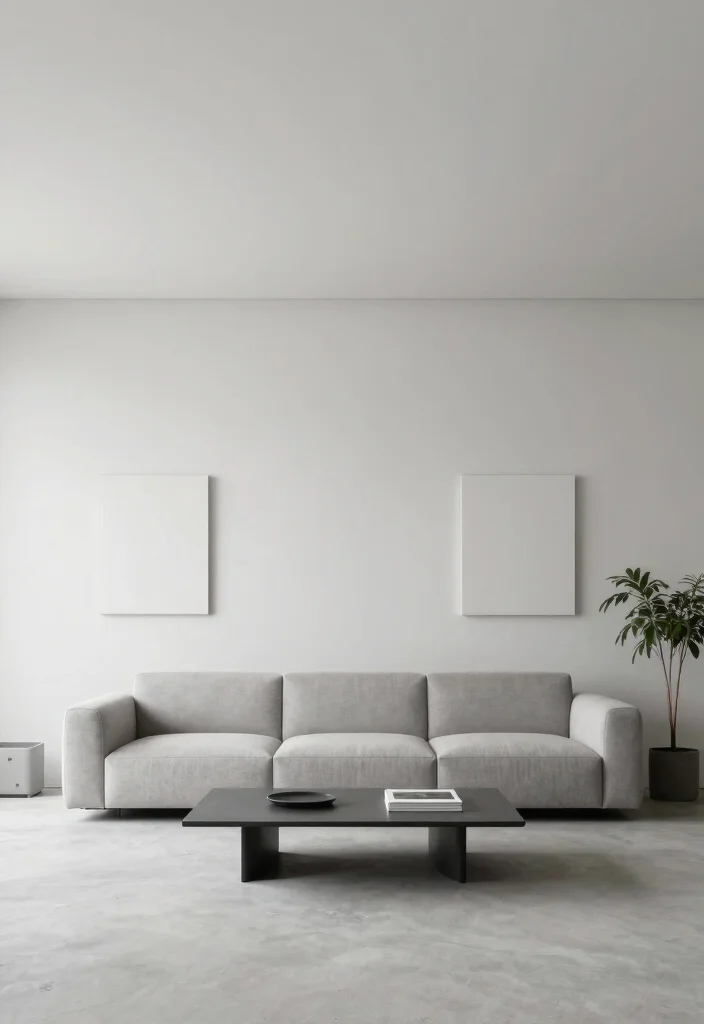
Adopting a minimalist approach in a low ceiling basement can create a spacious and open feel. By reducing visual clutter, you can achieve an airy atmosphere that emphasizes both style and functionality. Opt for multi-functional furniture that serves dual purposes, enhancing the aesthetics without overwhelming the space.
Select streamlined furniture designs that fit neatly into the area, and stick to a neutral color palette to maintain a cohesive look. Utilize storage solutions that blend seamlessly into the decor, further promoting a clean and organized environment.
Implement these minimalist ideas:
– Choose sleek furniture designs that enhance space.
– Maintain a neutral palette for visual cohesion.
– Use hidden storage options to keep items organized.
This approach allows your basement to feel peaceful and serene, fostering a relaxing atmosphere that complements your lifestyle.
Fun fact: In a low ceiling basement, embracing minimalism can make the space feel up to 60% more open. For practical low ceiling basement ideas renovation, use multi-functional furniture, streamlined designs, and a neutral palette to keep the area airy and functional.
Cost Breakdown & Budget Planning
Planning a renovation for a low ceiling basement can be exciting yet challenging. You want to transform the space without breaking the bank. Here’s a detailed budget guide to help you navigate your spending while achieving your dream basement.
Cost Breakdown by Category:
– Materials/Products: Expect to spend between $1,500 and $5,000 for flooring, paint, and furnishings depending on quality and style.
– Tools/Equipment: If you’re going DIY, tool costs can range from $100 to $800. Basic tools like saws and drills are essential, while specialty tools can add up.
– Labor/Professional Installation: Hiring professionals typically ranges from $2,000 to $10,000, based on the complexity of the project and local labor costs.
– Optional Extras: If you want to add custom features like built-ins or advanced lighting, budget an additional $500 to $3,000.
Budget Tier Breakdown
Basic Economy Tier $
– What’s included: This tier focuses on essential renovations like basic drywall, flooring, and lighting.
– Good for: Homeowners looking to improve the space on a tight budget. Ideal if you’re planning to use the basement for storage or minimal activities.
– Limitations: You’ll miss out on high-quality finishes and personalized touches, which can make the space feel less inviting.
Mid-Range Tier $$
– What’s included: A balanced option that includes better materials, some custom furniture, and improved lighting.
– Good for: Families wanting a usable space for play, relaxation, or occasional guests. This tier enhances both functionality and comfort.
– Best value for: Most people seeking a nice upgrade without going overboard on spending.
Premium Tier $$$
– What’s included: This tier offers high-quality materials, custom built-ins, and top-notch lighting options—everything you need for a stylish and functional space.
– Good for: Those who want to create a stunning entertainment area or a fully functional living space.
– Worth it if: You plan to use the basement frequently for entertaining or as an additional living area. It adds value to your home.
Money-Saving Tips:
1. DIY Where Possible: Take on small projects yourself like painting or installing simple fixtures to save on labor costs. 🛠️
2. Shop Sales: Look for sales on materials and furniture at local stores or online. Seasonal discounts can help you save big. 🛍️
3. Repurpose: Use existing furniture or materials you already have. A coat of paint can transform old items into something fresh and new. ♻️
4. Limit Custom Features: Stick to standard sizes and styles for built-ins and fixtures to keep costs down. Custom work can be pricey. 💰
Where to Splurge:
1. Lighting: Good lighting can dramatically change the look and feel of your basement. Invest in quality fixtures that enhance the space. 💡
2. Flooring: Durable and stylish flooring will last longer and look great. Spend a bit more on quality materials that can withstand wear and tear. 🚀
3. Comfortable Furnishings: A cozy sofa or stylish decor can truly elevate your basement. Investing in comfort will make the space inviting and enjoyable for gatherings. 🛋️
With this budget breakdown, you can see where to allocate your funds wisely. Remember to be realistic about what you want vs. what you can afford. By setting a clear budget and sticking to it, your low ceiling basement can transform into a functional and stylish part of your home!
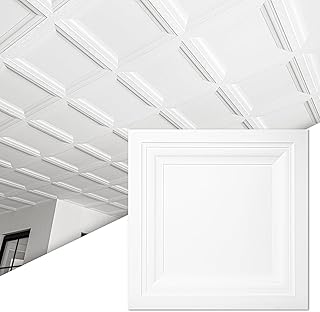
7. Install a Drop Ceiling
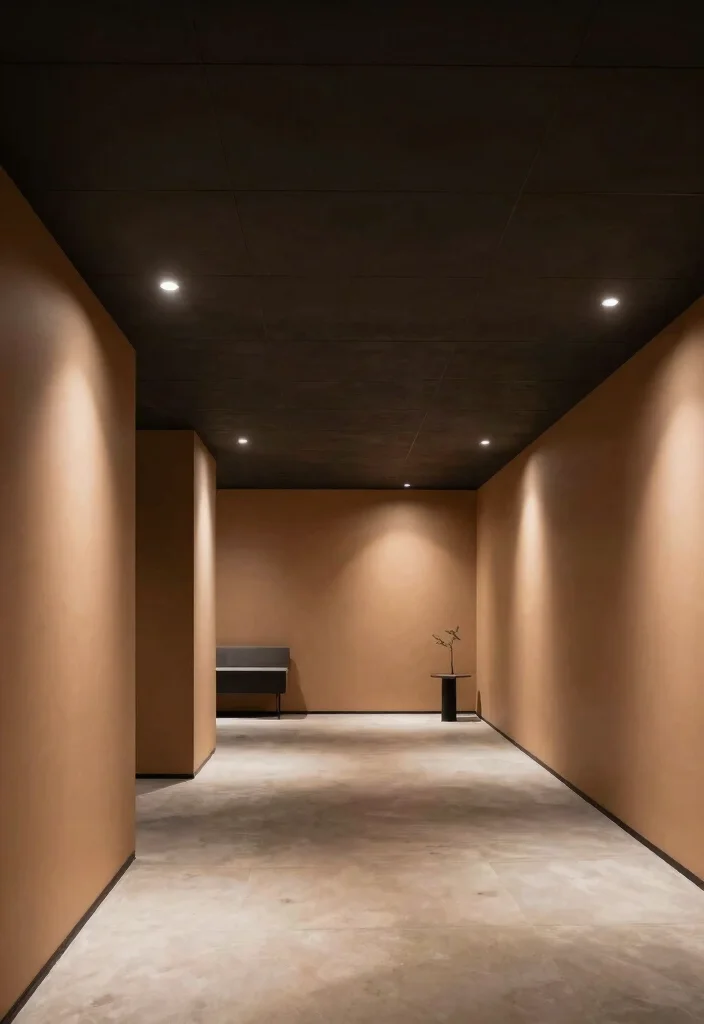
Installing a drop ceiling can dramatically alter the vibe of a low ceiling basement. This modern solution conceals unsightly pipes and ductwork while providing opportunities for additional lighting, creating a clean and finished look.
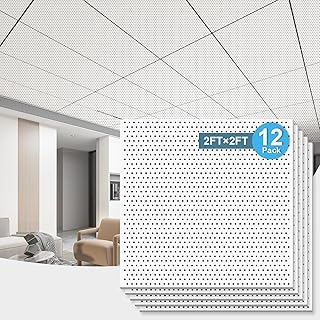
Choose ceiling tiles that enhance soundproofing qualities, allowing for a quieter environment, and ensure easy access to utilities without compromising the aesthetic appeal. This design choice can transform your basement into a stylish area with improved height perception and functionality.
Consider these drop ceiling benefits:
– Create a polished, finished appearance in the basement.
– Use soundproof tiles for a quieter ambiance.
– Ensure easy access to utilities without sacrificing style.
This alteration not only elevates your basement’s design but also enhances its usability for various functions.
Install a Drop Ceiling
Editor’s Choice


8. Use Built-in Furniture
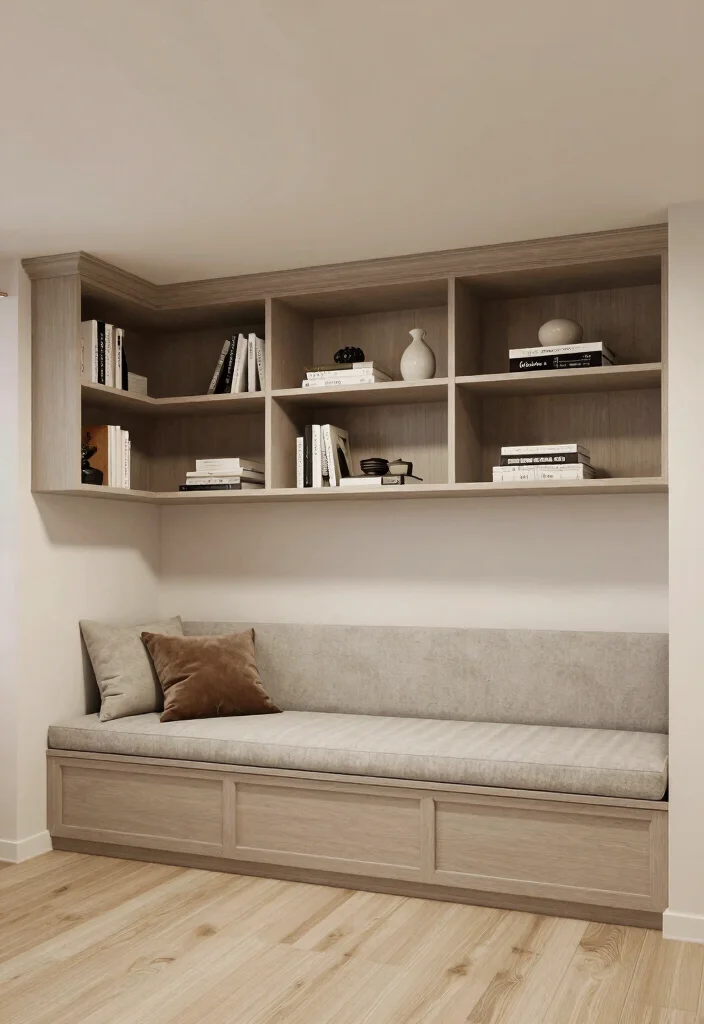
In a low ceiling basement, built-in furniture is a smart way to maximize space while maintaining style. Custom designs can fit awkward angles or low heights, providing ample storage and functionality without cluttering the area.
This streamlined appearance enhances the overall aesthetic of your space, making it both practical and visually appealing. Built-ins transform corners and alcoves into useful areas tailored to your lifestyle.
Explore the benefits of built-ins:
– Save floor space by eliminating standalone furniture.
– Customize designs to suit your personal style.
– Enhance storage options while keeping the area organized.
With built-ins, your basement can be transformed into a stylish and functional environment that adds value to your home.
9. Incorporate Colorful Accents

Bright and bold colors can breathe life into a low ceiling basement, adding personality and vibrancy. Use colorful accents like throw pillows, artwork, or rugs to inject fun into the space without overwhelming it.
Create a feature wall for a focal point that draws attention upward, and consider colorful decor pieces that can be easily swapped out for seasonal changes. Ensure that the colors you choose complement each other to maintain a cohesive look throughout the room.
Consider these colorful tips:
– Create a feature wall to establish a focal point.
– Use seasonal decor to refresh the space easily.
– Ensure color harmony for a cohesive aesthetic.
This playful approach enables you to express your style while keeping the atmosphere lively and inviting.
Fun fact: for low ceiling basement ideas renovation, a splash of color can boost perceived height by up to 15%. Pair bold accents with a lighter ceiling to keep walls balanced and cohesive.
10. Create a Home Gym
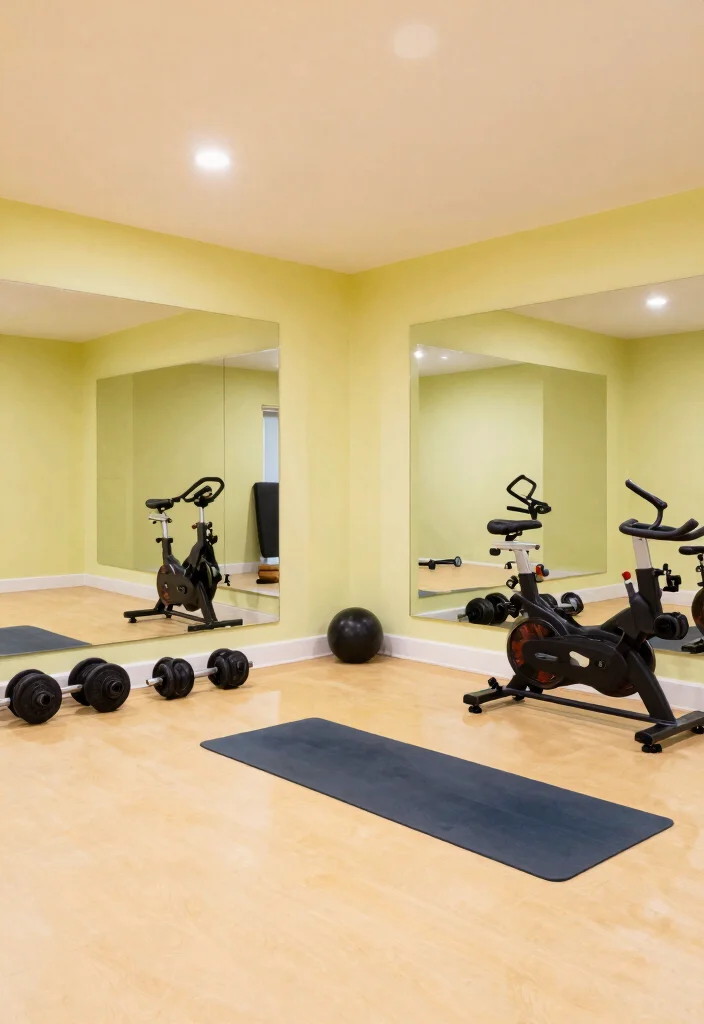
Transforming a low ceiling basement into a home gym is a fantastic way to utilize the space effectively. Focus on a simple and functional design with equipment that doesn’t require high ceilings, ensuring your workout area feels inviting and motivating.
Incorporate padded flooring for safety and comfort, and select compact, multi-use equipment that fits well in smaller areas. Installing mirrors can help create the illusion of a larger space while assisting with workout form.
Consider these gym setup tips:
– Use padded flooring for safety and comfort.
– Choose space-saving, multi-use workout equipment.
– Install mirrors to enhance the sense of space.
This thoughtful design guarantees a functional workout area that promotes health and wellness without sacrificing style, creating a motivating sanctuary at home.
Create a Home Gym
Editor’s Choice


11. Introduce Natural Elements
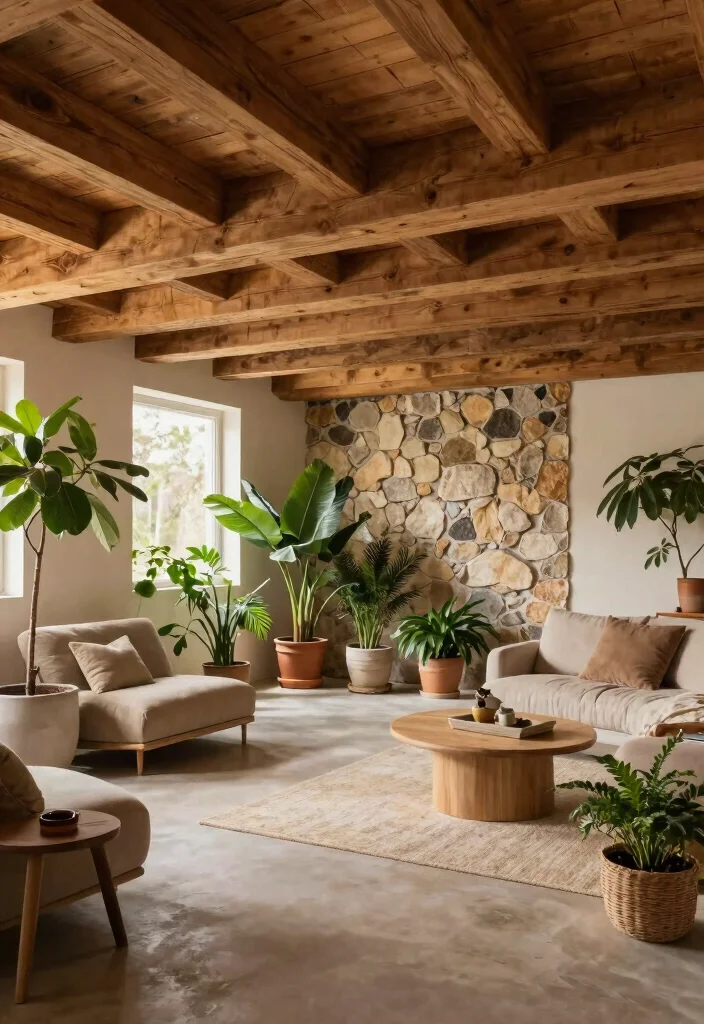
Bringing natural elements into a low ceiling basement can add warmth and life, creating a tranquil environment that enhances visual appeal. Incorporate materials like wood, stone, and live plants to craft an earthy, inviting atmosphere.
Wood accents in furniture or decor create warmth, while stone features, such as an accent wall or fireplace, add character. Including live plants not only introduces color but also purifies the air, making your basement feel fresher and more alive.
Explore these natural element ideas:
– Use wood accents in furniture for warmth.
– Add stone features for texture and interest.
– Incorporate live plants for color and freshness.
This harmonious blend of nature elevates your basement’s design, turning it into a peaceful retreat that feels inviting and rejuvenating.
12. Optimize for Storage
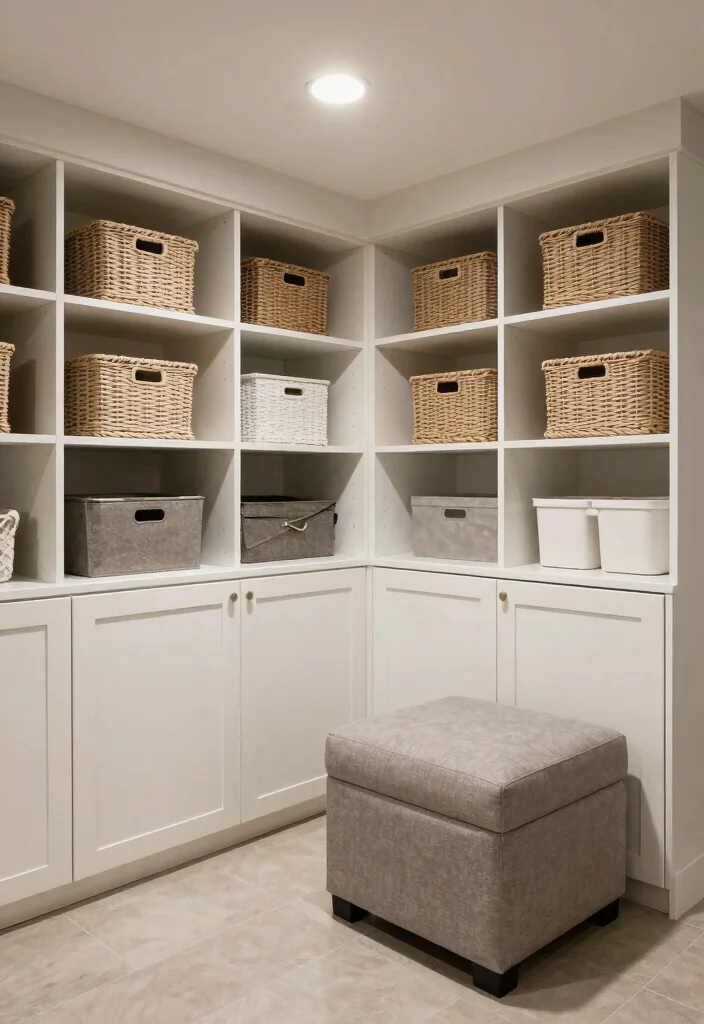
Storage solutions are vital in a low ceiling basement, helping you maintain a tidy and organized space. By utilizing every nook and cranny, you can create an efficient area that feels open and functional. Consider built-in cabinets or under-stair storage to maximize your options.
Use baskets and bins to keep belongings organized and easy to access, and choose furniture with hidden storage options, like ottomans or coffee tables. Vertical storage solutions can also help free up floor space, making the area feel larger.
Explore these smart storage solutions:
– Use baskets and bins for organized storage.
– Choose furniture with hidden storage capabilities.
– Implement vertical storage to clear floor space.
By focusing on effective storage designs, you enhance the functionality of your basement while keeping it clutter-free, creating an enjoyable environment.
13. Use Glass and Acrylic Accents
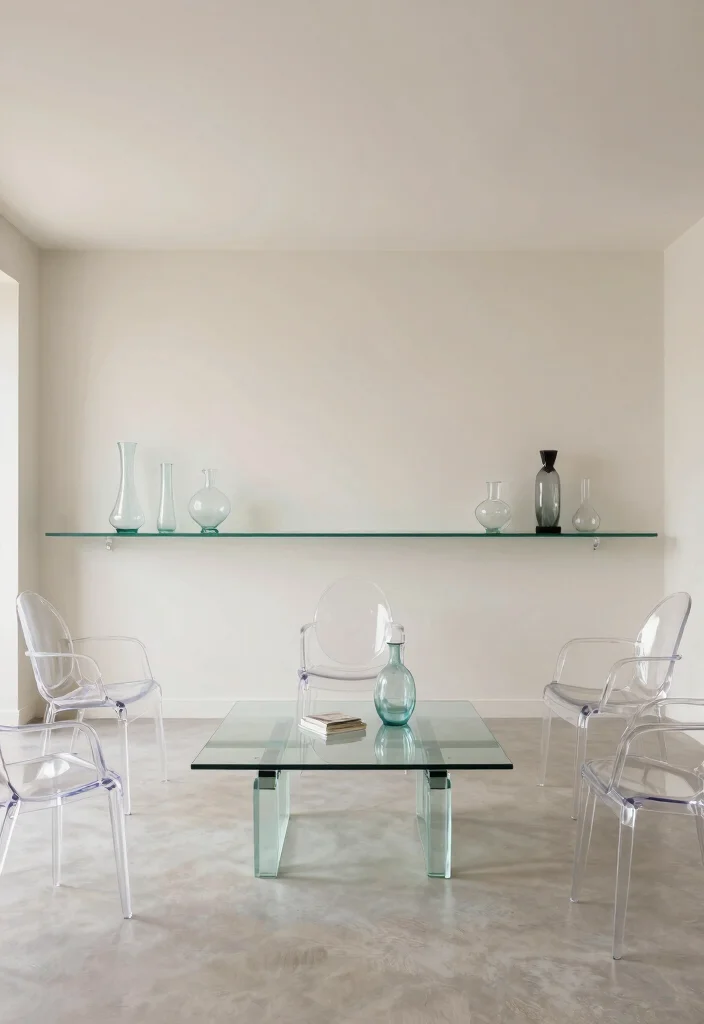
In a low ceiling basement, incorporating transparent materials like glass and acrylic can create an open feel. These elements allow for functional surfaces that don’t overwhelm the space, enhancing the overall design with lightness and elegance.
Opt for glass tables and shelves to add visual airiness, while acrylic chairs introduce a modern touch. Including glass decor items can further enhance brightness and create a sense of openness in the room.
Consider these transparency benefits:
– Use glass tables to maintain a light atmosphere.
– Opt for acrylic chairs for a chic look.
– Incorporate glass decor to boost brightness.
Balancing transparent elements with solid pieces keeps the space feeling open and inviting, allowing light to flow freely throughout the area.
14. Choose the Right Flooring
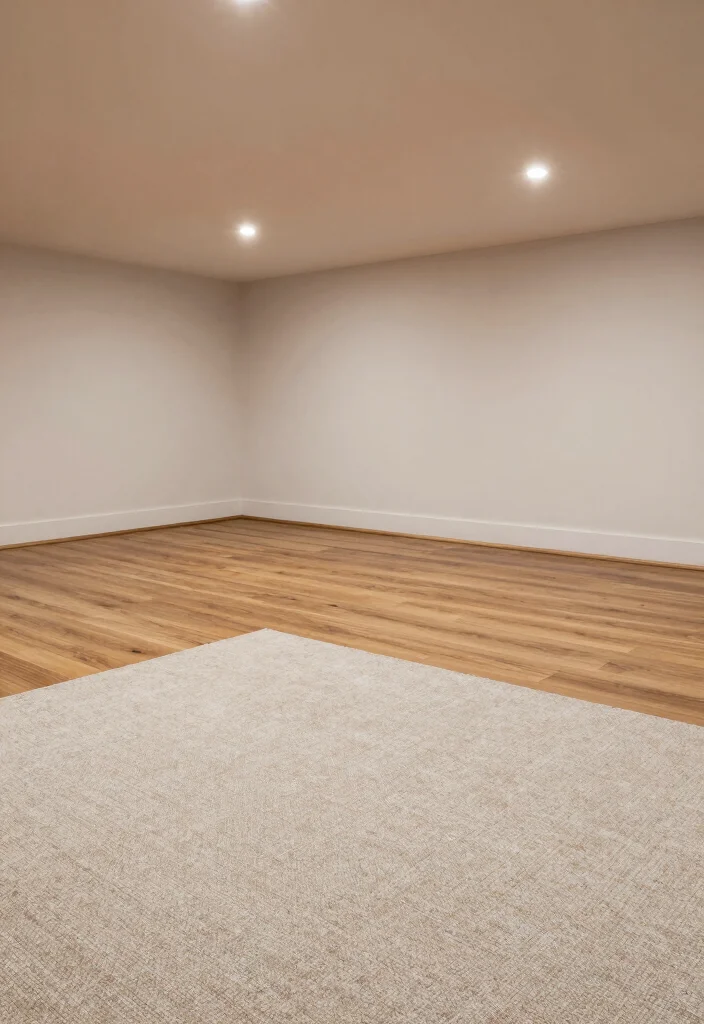
Selecting the right flooring is essential for enhancing the ambiance of your basement. Opting for materials that provide warmth and comfort can significantly transform the space, making it feel more welcoming. Whether you choose carpet, laminate, or vinyl, the flooring should complement your decor and elevate the design.
Soft carpets create a cozy atmosphere, while laminate offers durability and style. Vinyl is an affordable option that can mimic other materials, providing versatility and ease of maintenance.
Explore these flooring options:
– Use soft carpets for warmth and comfort.
– Consider laminate for a stylish, durable surface.
– Choose vinyl for a budget-friendly, versatile choice.
Make sure your flooring solution can withstand moisture, as basements are often prone to dampness. The right flooring choice can also enhance sound insulation, creating a peaceful sanctuary in your basement.
Choose the Right Flooring
Editor’s Choice


15. Personalize with Art and Decor
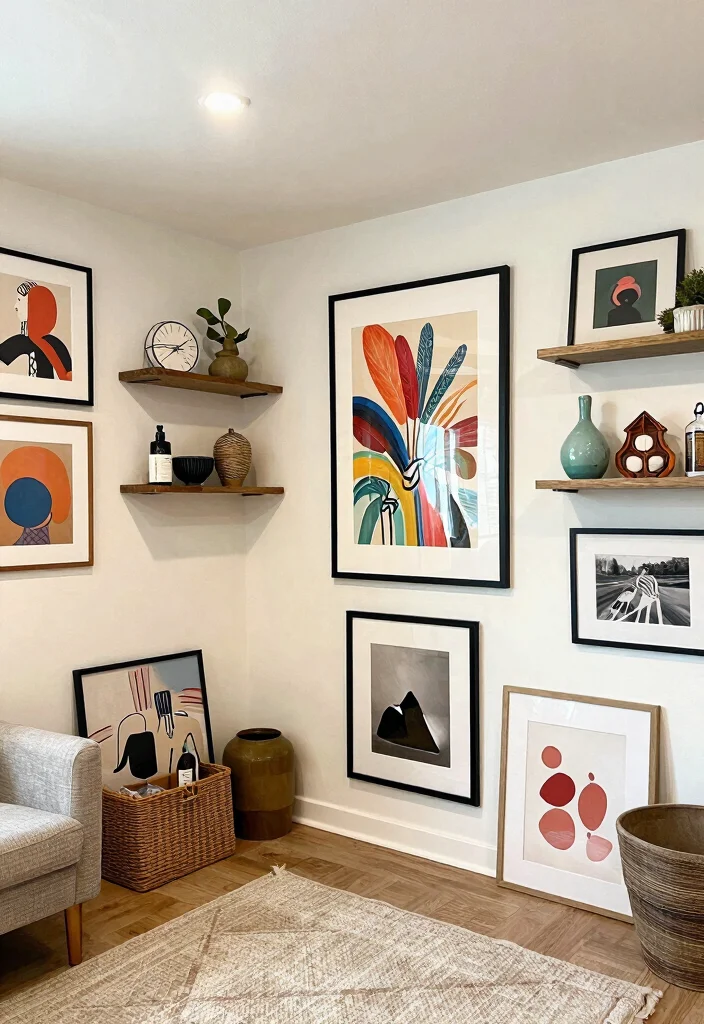
Art and decor play a significant role in transforming a low ceiling basement into a personalized haven. Displaying your favorite artworks, photographs, or decorative pieces adds character, reflecting your unique style and taste.
Hang artwork at eye level to draw the eye upward, fostering an illusion of height and creating a more engaging environment. Mixing various styles of art can contribute to an eclectic look, while statement pieces can serve as focal points.
Consider these decor tips:
– Mix different styles of art for an interesting look.
– Choose statement pieces to captivate attention.
– Use decor that resonates with your personal style.
By infusing your basement with unique decor, you can transform it from a storage area into a curated experience that feels distinctly yours.
16. Make it Multifunctional
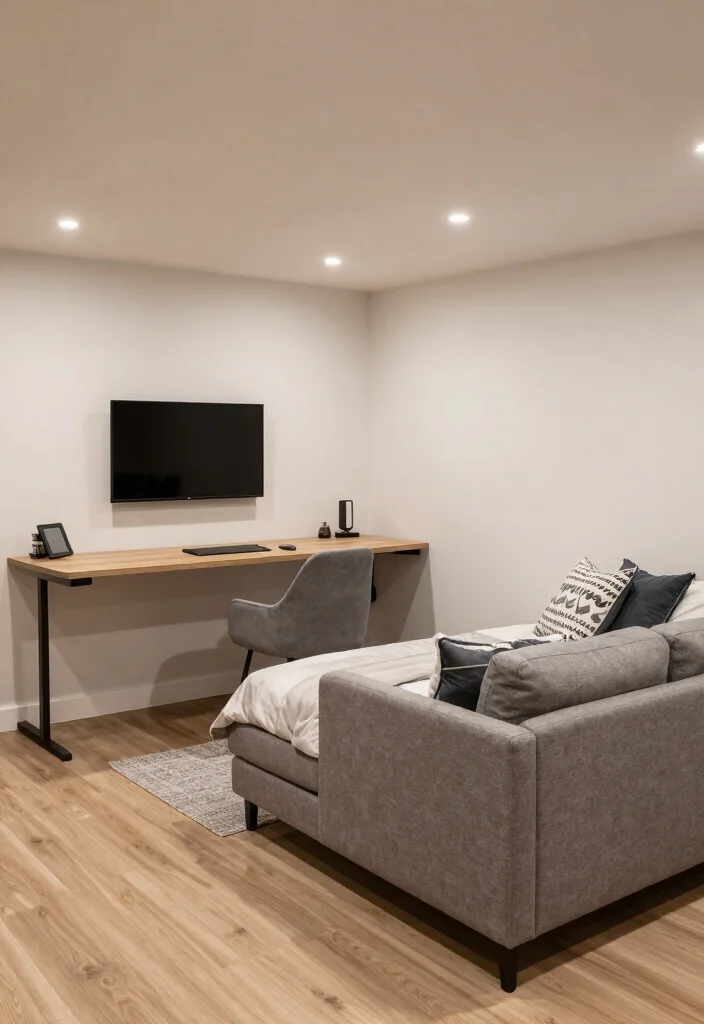
A low ceiling basement can be designed to serve multiple purposes, enhancing its usability without sacrificing style. Creating distinct zones for work, play, and relaxation ensures that the space is utilized effectively and meets various needs.
Incorporate flexible furniture that can be rearranged for different activities, such as fold-out desks for workspaces that can be hidden when not in use. Setting up areas for guest sleeping arrangements or entertainment allows for versatility while maintaining a cohesive look.
Explore these multifunctional ideas:
– Use fold-out desks for hidden workspaces.
– Set up multi-use rooms for guests.
– Create entertainment areas that can be easily cleared.
By designing with versatility in mind, your basement can accommodate diverse needs while still feeling stylish and inviting.
Conclusion
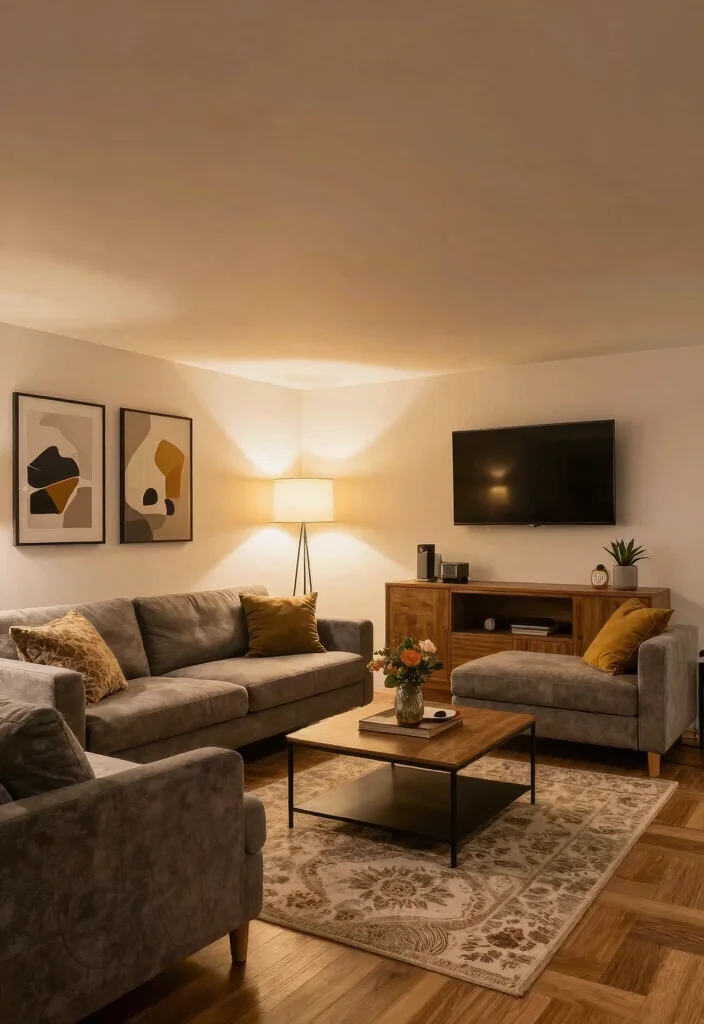
Embracing the unique challenges of a low ceiling basement can lead to incredible design opportunities. From creating cozy nooks to optimizing for storage, each idea discussed can transform a dimly lit space into a vibrant part of your home. With creativity and thoughtful planning, your basement can reflect your personal style while serving practical needs.
It’s time to roll up your sleeves and start planning that stunning renovation. Who knows? Your dream basement might just be a few renovations away!
Note: We aim to provide accurate product links, but some may occasionally expire or become unavailable. If this happens, please search directly on Amazon for the product or a suitable alternative.
This post contains Amazon affiliate links, meaning we may earn a small commission if you purchase through our links, at no extra cost to you.
Frequently Asked Questions
What are practical low ceiling basement renovation ideas that actually work?
Absolutely—there are several low ceiling basement ideas renovation that actually work. Start with a bright, cohesive palette (think light neutrals) to reflect light and visually expand the space.
Choose space-saving decor like wall-mounted shelves, built-in benches with hidden storage, and slim-profile furniture to reduce bulk.
Lighting is key: go for recessed basement lighting options (and add dimmers) instead of bulky fixtures that eat height. Finish with large mirrors or glossy surfaces to bounce light around.
Keep ceiling lines clean and avoid heavy crown molding; use wide, uninterrupted flooring for a seamless look. With these ideas you can pull off a surprisingly open feel despite a low ceiling.
How can I maximize space and light in a basement with a low ceiling?
Think vertical, not horizontal. Use tall, slim storage and wall-mounted desks so floor space stays open.
Stick to space-saving decor that doubles as storage and avoids visual clutter. Pick furniture under 32 inches tall and open shelving that goes to the ceiling to draw the eye upward.
Light matters: install layered lighting with recessed basement lighting options, wall washers, and task lighting near work zones. Use light floor finishes and mirrors to reflect daylight or lamp light, which makes the room feel larger.
Color matters: choose bright walls and consistent flooring to create a continuous plane, minimizing breaks that shrink the room.
What are the best basement lighting options for low ceilings to make the space feel bigger?
Great question. For low ceilings, prioritize hidden or slim lighting that delivers ample brightness: basement lighting options include recessed LED cans, LED strip lights under cabinets or shelves, and vertical wall washers that illuminate without bulky fixtures.
Layer lighting: ambient, task, and accent layers. Use dimmers to adjust mood and scale. Choose warm white bulbs (2700–3000K) for a cozy feel, and aim for at least 20–30 lumens per square foot as a starting point.
Pro tip: place lights along walls rather than directly overhead to visually lift the ceiling and avoid harsh shadows. Pair with mirrors to reflect light and open up the space.
Which basement design tips help a space feel larger without adding height?
Try these basement design tips that create a sense of openness without changing the ceiling:
– Use a single light, bright color palette on walls and floors to create a continuous plane.
– Opt for furniture with clean lines and low profiles to keep the ceiling visually uninterrupted.
– Employ mirrors or high-gloss surfaces to reflect light and give the illusion of more space.
– Define zones with area rugs and furniture placement instead of walls, so the space remains open.
– Minimize ceiling hardware and trim; a smooth ceiling feels larger than a textured one.
Are there budget-friendly low ceiling solutions for basement renovations that still look great?
Absolutely. Great results don’t require a huge budget. Start with home renovation ideas that are low-cost, like a fresh coat of light paint, peel-and-stick wallpaper, and simple, modular furniture.
Use space-saving decor pieces like under-sofa storage, wall-mounted desks, and floating shelves to maximize function without crowding the room.
Invest in a few key lighting upgrades from basement lighting options—think recessed LEDs and dimmers—to instantly brighten the space. Defining areas with affordable area rugs and consistent flooring also makes the basement feel pulled together without expensive construction.